
Optimizing Training for the 2022 CrossFit Open
For over 99% of participants in the 2021 CrossFit Open and quarter - finals, it's time to start anew. With eleven months of training ahead, the goal is to enhance performance in the coming year. Have you dedicated sufficient thought to the methodology that will optimize your performance approximately 320 days from now?
Athlete and Coach Considerations
Athletes: Are you adhering to your gym's group programming? Perhaps following CompTrain, Invictus, or other competitive programs? Or do you have a coach who has crafted an individualized plan for you?
Coaches: Do you have clients who are passionate about pursuing CrossFit as a sport, specifically aiming to maximize their performance in the 2022 Open?
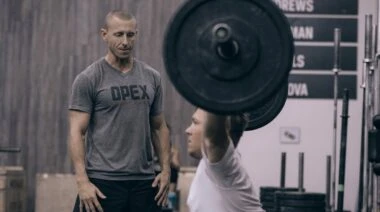
Regardless of your role, James FitzGerald, the 2007 CrossFit Games champion and founder of OPEX Fitness, offers valuable insights on how to make the most of the next 320 days of training leading up to the 2022 Open.
Consider What You Want Your Training to Accomplish
FitzGerald begins with the premise that "we have 340 days to prepare for three arduous tests" (noting that the 2021 Open consisted of three tests over three weeks, with four data points). While the format may vary in the future, with potentially five - week competitions and five tests as in previous years, generally, training is focused on three to six weeks, with one test per week.
Analyzing the past eleven years of Open competitions, FitzGerald estimates that the total work during the entire competition amounts to approximately 36 minutes. This approximation is crucial as it clarifies that the training should not be geared towards 30 - second sprints or three - hour marathons. Thinking of it as three to five 12 - minute tests simplifies the mental organization of the training process, providing a starting point for creating an effective training program.
Break Up the Year to Get Maximal Expression
FitzGerald emphasizes that different types of training must occur at different times of the year to achieve peak performance. He suggests the following annual breakdown:
Base (Approx. 200 days): This is the most substantial part of the year. The base period aims to establish a solid foundation by logging training volumes, accumulating skills, rectifying asymmetrical issues, and targeting areas of weakness.
Tough (Approx. 60 days): As the name implies, this phase is intense. It's the time to apply the fitness developed during the base phase and put it to the test. FitzGerald recommends taking three complete rest days per month throughout the year, especially for those who are reluctant to rest.
Pre - Comp (Approx. 40 days): This phase involves multiple simulations of the actual competition. It's not just about replicating the workouts but also preparing in terms of nutrition, sleep, workout timing, recovery, and mental readiness. The goal is to be as mentally prepared as physically when the Open begins.
Comp: The CrossFit Open period, which was 21 days in 2021 and 35 days in previous years.
Deload (Approx. 20 days): After the Open, a deload phase is essential. FitzGerald suggests engaging in activities like spending time in nature, playing a different sport, or simply having fun, away from the rigors of thrusters and pull - ups.
Intention + Modality + Person = Design (IMP = D)
According to FitzGerald, program design depends on three key elements:
1. What Is Your Intention?
Goals and Priorities: What are your intentions, goals, and priorities for the Open?
Life Integration: How does training fit into the broader context of your life? Understanding your intention is fundamental as it guides the design of your training program.
2. The Main Keys to Modalities
Aerobic Sustainability: All dynamic contractions should be made aerobic and as sustainable as possible. This is the "key ingredient for optimal long - term performance."
Proper Progression: Strength and skills must progress at an appropriate rate. Beginners may improve rapidly, but for others, forcing progress without a proper foundation can lead to compensatory patterns. Skill and strength development should be intelligent, occurring at the right time and in the right way.
Skill Scaffolding: Skills should be practiced in combinations that mimic how they may appear in the Open. For example, pairing high - rep double - unders with inverted movements like handstand holds, handstand push - ups, or handstand walks could better prepare for unexpected combinations like high - rep double - unders with wall walks, as seen in the 21.1 Open workouts.
3. Understanding the Person and Where They Are
This involves having a comprehensive understanding of one's physical state, including biological age, training age, and sports age. FitzGerald shares Key Performance Indicators (KPI) based on data from thousands of athletes. Focusing on improving in each KPI test, rather than merely achieving a specific KPI, and addressing imbalances, is the path to maximizing performance in the 2022 Open.
Random training, such as spending the next eleven months on random CrossFit workouts, following generic programming, or re - doing past Open workouts, will not lead to success in 2022. Instead, a systematic, individualized training plan tailored to your specific intention, needs, physical abilities, and goals is the key to success.
How To Optimize Your Training for Next Year's CrossFit Open With Former Champ James FitzGerald
•
Author: Steve Keane
•
Fitness
Health
Share this article